Two voices. One question. Read them together, then follow the thread between them.
Choose a voice, or read both perspectives together.
The voices
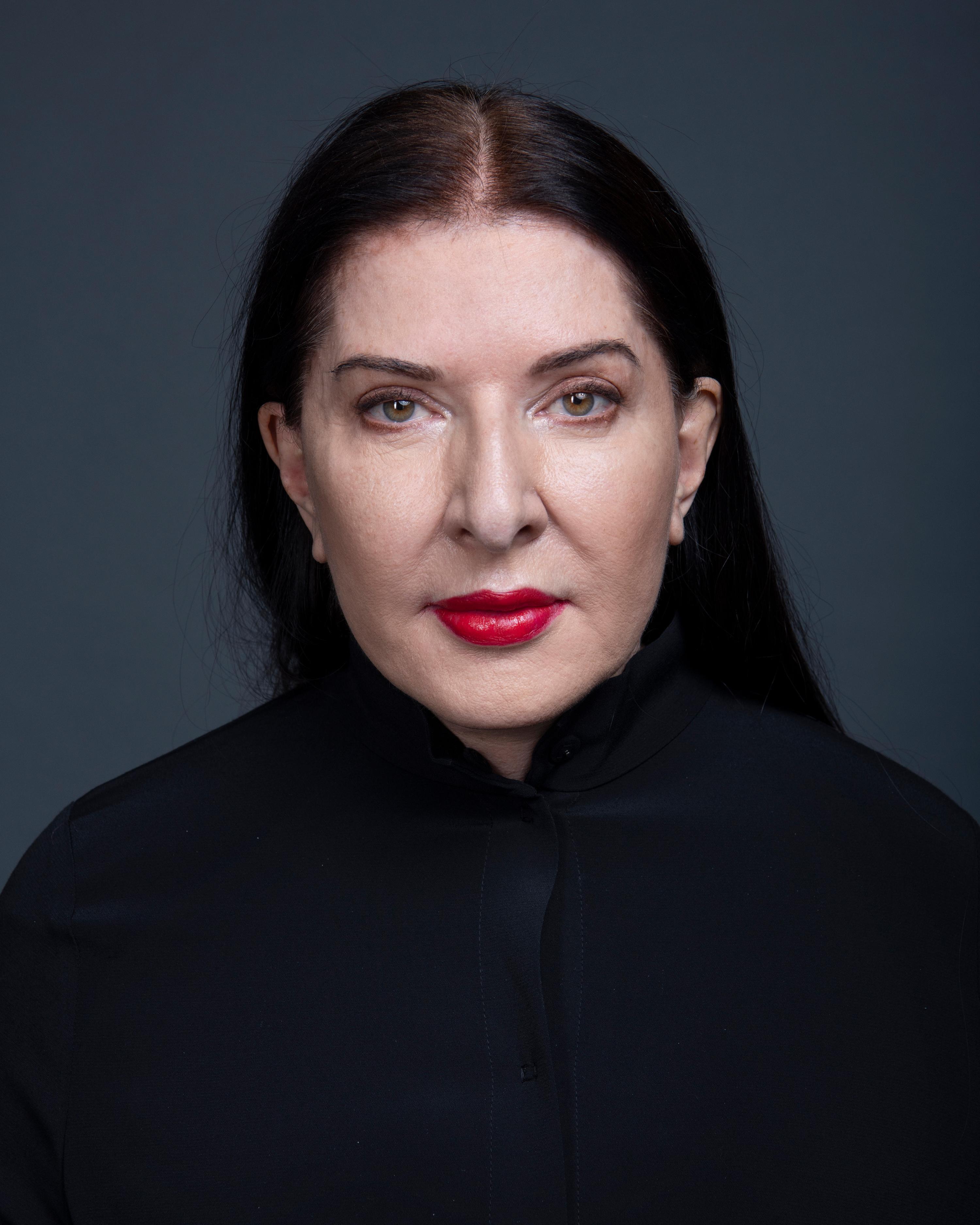
Marina Abramović
The Artist Is Present
Time made available for an encounter
Abramović’s 2010 museum work gives an encounter a deliberately sustained setting. The exhibition record also documents the problem of preserving a performance after its time has passed. Looking at that record is another kind of experience; it cannot establish what every participant felt.
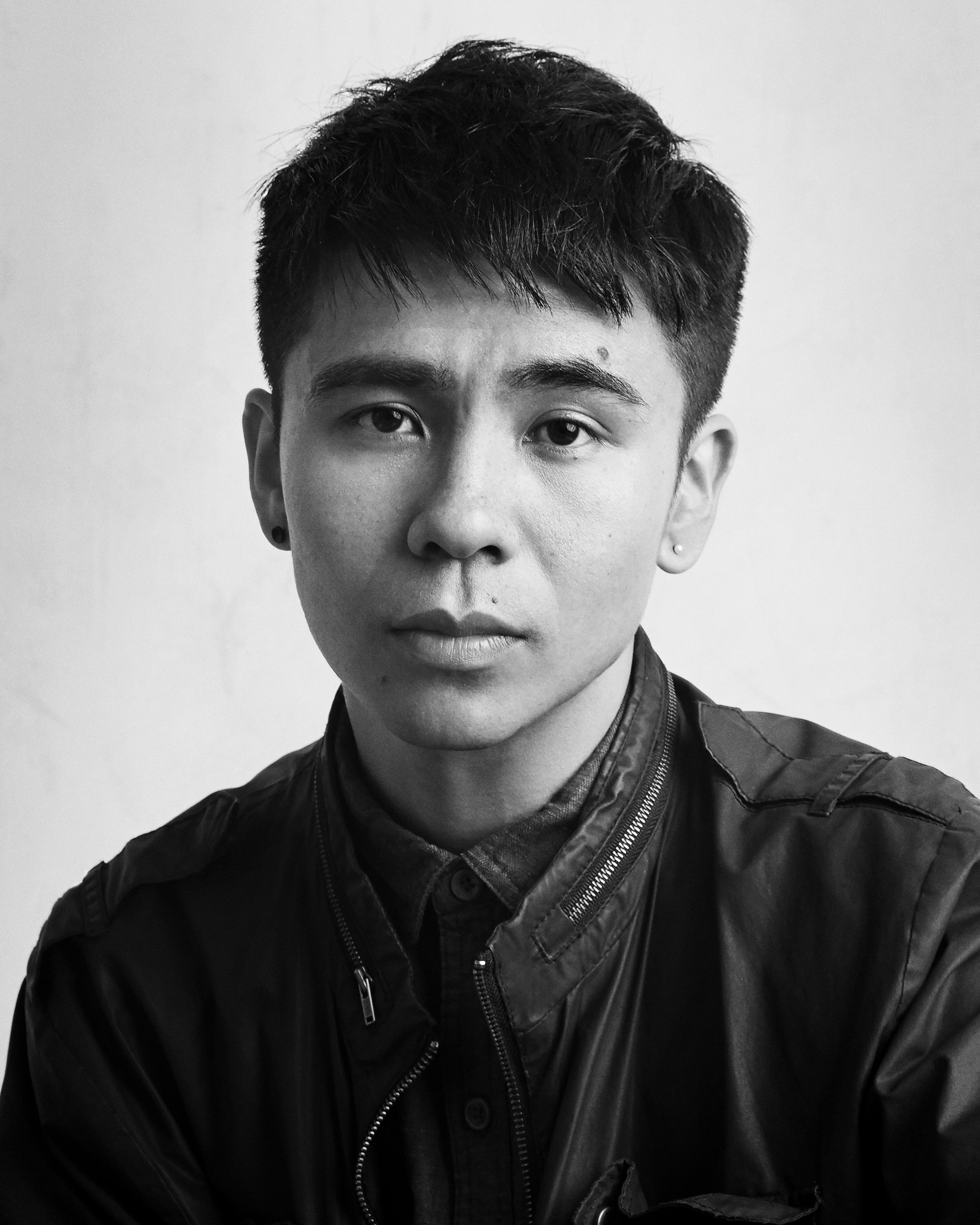
Vuong’s poem addresses a figure bearing his name. We read this as a composed encounter in language, rather than transparent access to the poet’s private self.
2010 · MoMA exhibition and performance record; documentation, not a live encounter
A thread to follow
Explore MoMA’s record and documentation. Distinguish what the museum records from an inference about a participant’s inner experience. What changes when a performance becomes an archive?
The New Yorker · published online 27 April 2015, print issue 4 May 2015 · poem and author audio
A thread to follow
Read or listen at the publisher’s page. Consider the distance between a poet, a poetic speaker and the person addressed. What can a literary address make possible?
A shared question can hold more than one reading. Follow a meeting point, a difference, or the Studio’s interpretation.
Where they meet
The performance and the poem both give an encounter a form. They ask a viewer or reader to stay with an address long enough for something to become noticeable. Our comparison starts with that artistic making of attention. Being in the same room is one possible condition; words can also create a relation across distance. Neither form lets us conclude that every kind of contact produces understanding.
How could we offer attention while leaving someone free to withhold an answer?
Where they differ
The media change what is shared. A performance can place bodies inside a bounded duration; a poem can be returned to, reread and encountered in another time. Silence and language consequently carry different responsibilities. The reader may pause a sentence, while a participant’s time continues to pass. These differences help us resist using presence as one attractive word for experiences that make very different demands.
Another way to see this
Sustained attention can be intrusive. Being looked at is not automatically being recognised, and a person can refuse an encounter without failing to be open. A beautiful account of presence may overlook unequal power, exhaustion or a need for privacy. We should also ask who has been invited to wait, and who is free to leave. The value of attention depends partly on whether the people involved can negotiate its conditions.
Flute & Forge’s perspective
Perhaps presence begins with letting an encounter take its own time.
Our proposal is to ask less quickly what a meeting has achieved. Attention may need enough time for a gesture or a sentence to become something other than confirmation of what we expected. This does not require a person to stay available indefinitely. It asks whether the time we do share leaves room for an answer we did not prepare. In a conversation, that might mean hearing an unfinished thought without completing it for the speaker. The artistic encounters make that possibility worth examining; they do not prescribe one correct way to listen.
Another way to see this
Sustained attention can be intrusive. Being looked at is not automatically being recognised, and a person can refuse an encounter without failing to be open. A beautiful account of presence may overlook unequal power, exhaustion or a need for privacy. We should also ask who has been invited to wait, and who is free to leave. The value of attention depends partly on whether the people involved can negotiate its conditions.
The question that remains
How could we offer attention while leaving someone free to withhold an answer?
A thematic comparison, not a claim of historical influence or a psychological finding.
What do you notice?
Your reading can remain a question. Choose a possibility, write a thought, or continue directly to the Studio’s perspective.
Your words stay in this tab for this visit. They are not submitted or included in a shared link.
A new voice at the table
What do we bring before the meeting begins?
Krishnamurti changes the emphasis from the duration of attention to the assumptions carried by the person attending.
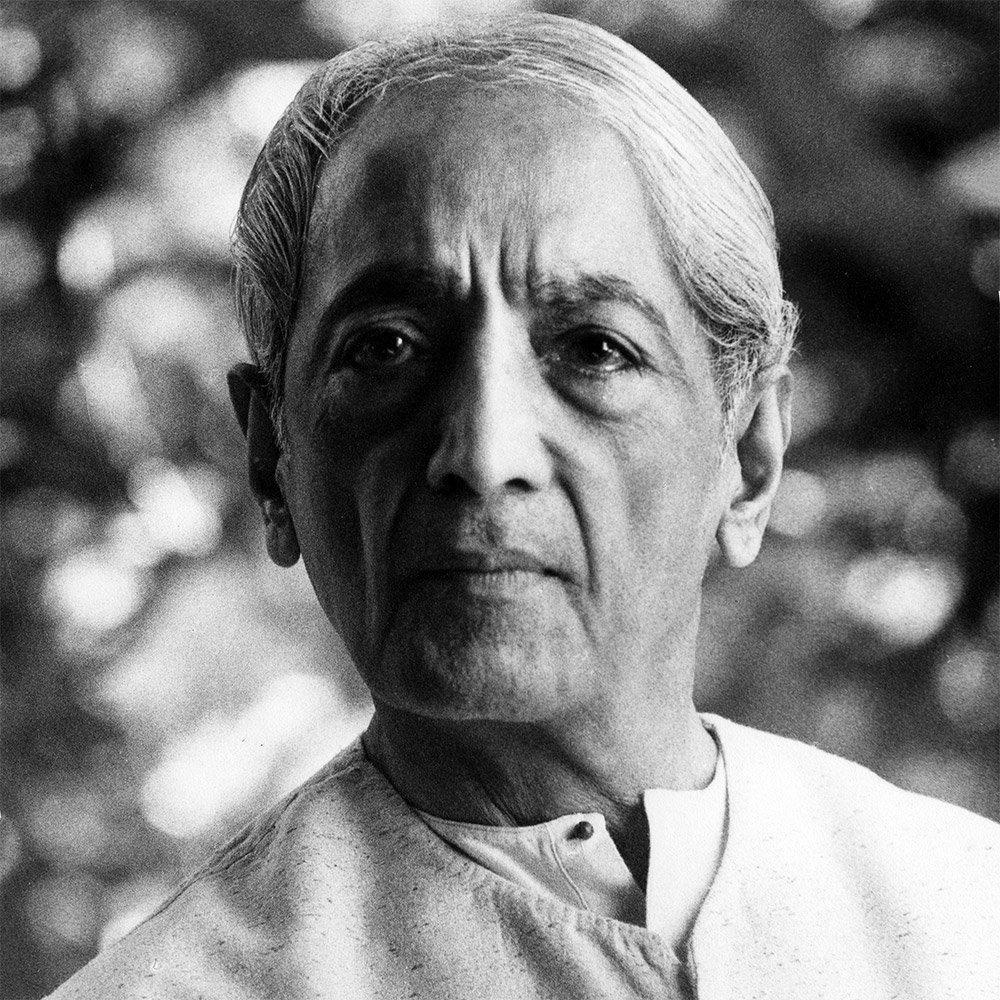
Jiddu Krishnamurti
The Observer and the Observed
Krishnamurti Foundation Trust · staff-curated extracts with individual talk references; philosophical inquiry
Krishnamurti questions observation directed by the observer’s accumulated images. The Foundation’s selections locate that inquiry in particular talks. We approach it as an invitation to examine the act of looking, not as scientific evidence that a person can perceive another without any mediation.
The third voice makes our proposal less comfortable. Giving time may still leave an encounter organised around an image we already hold of the other person. We can question that image without pretending to have removed every assumption. The revised possibility is a form of attentive humility: staying available to correction, while respecting the other person’s boundaries and our own. Presence would then be something negotiated between people, rather than a special state one person declares they have achieved.
Can we stay attentive enough to be surprised, and modest enough to be corrected?
Keep the question open
Follow these voices into their profiles and selected readings. A different work may complicate the connection again.