

Mary Oliver
Beauty · Consciousness · Solitude
Mary Oliver
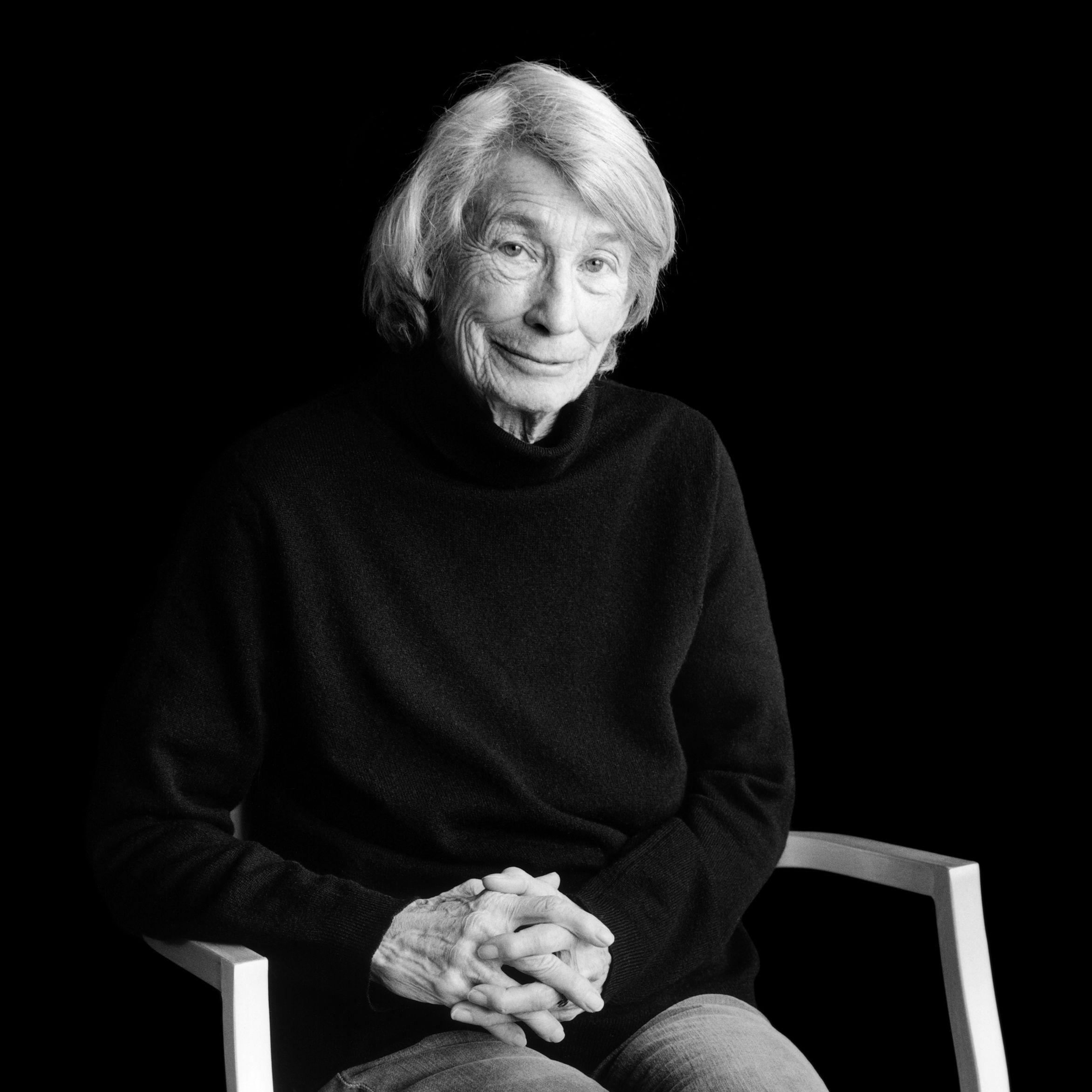
A poet whose attention to the living world offers ways of thinking about belonging and solitude.
1935–2019 · American poet · Pulitzer Prize for Poetry, 1984
Their literary world
Mary Oliver attends closely to the natural world: birds, trees, rivers, animals, and the changing seasons. Her poems often let an apparently simple observation open into questions of loneliness, grief, joy, mortality, and belonging.
Attention in her work is a form of participation: looking at a wild creature or landscape means entering a relation with the world beyond the self. Her clear language is not simplistic; it sustains an inquiry into wonder and how to live fully. Her official site requires permission to reproduce poems, so this profile links readers to her work without displaying an excerpt.
Featured reading · Flute & Forge reading companion
Wild Geese
A companion to Oliver’s poem about belonging without first becoming flawless. The natural world offers a wider frame for private struggle, not a simple escape from it.
Oliver’s poem places a private voice inside a vast, moving world. Belonging is not offered as a prize for perfection; birds, weather and landscape continue their lives alongside human sorrow. The poem’s invitation can comfort, but it also asks us to look outward and take part in the world we share.
This is Flute & Forge commentary. Read Oliver’s copyrighted poem in an authorized edition.
Explore Mary Oliver’s authorized siteEssential works
Poem · from Dream Work (1986)
Wild Geese
A poem that considers loneliness and belonging in relation to the larger natural world.
Poem · from House of Light (1990)
The Summer Day
A meditation on attention, mortality, and how one chooses to spend a life.
Poetry collection · 2012
A Thousand Mornings
Poems of everyday experience, natural beauty, and the renewal that comes with attention.
A question worth exploring
Can love begin not with possession, but with a willingness to notice what exists beyond us?
A question to carry with you
What changes when the world is company rather than scenery?
An editorial introduction by Flute & Forge Studio.