Two voices. One question. Read them together, then follow the thread between them.
Choose a voice, or read both perspectives together.
The voices
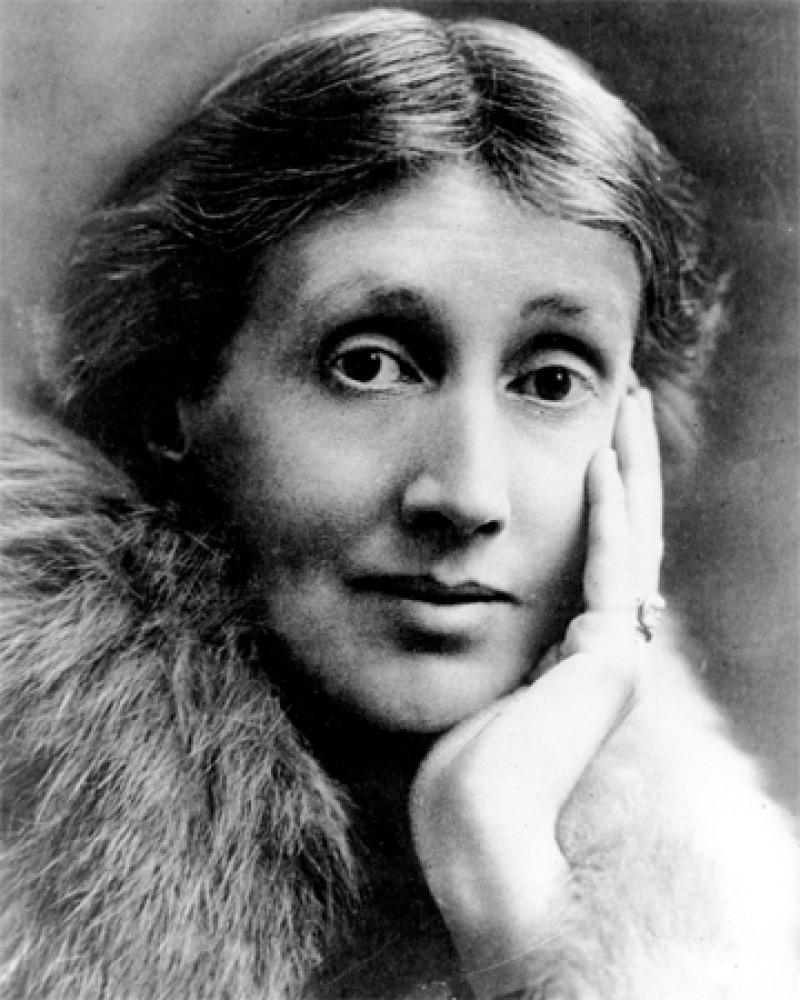
Virginia Woolf
The Mark on the Wall
A mind around a small mark
A small mark sets Woolf’s narrator wandering through memory, speculation and social convention. The object stays modest; the mind makes an extraordinary journey around it. The eventual identification of the mark unsettles that journey without cancelling the experience of reading it. This fictional narrator is not a clinical case or a transparent account of Woolf herself.
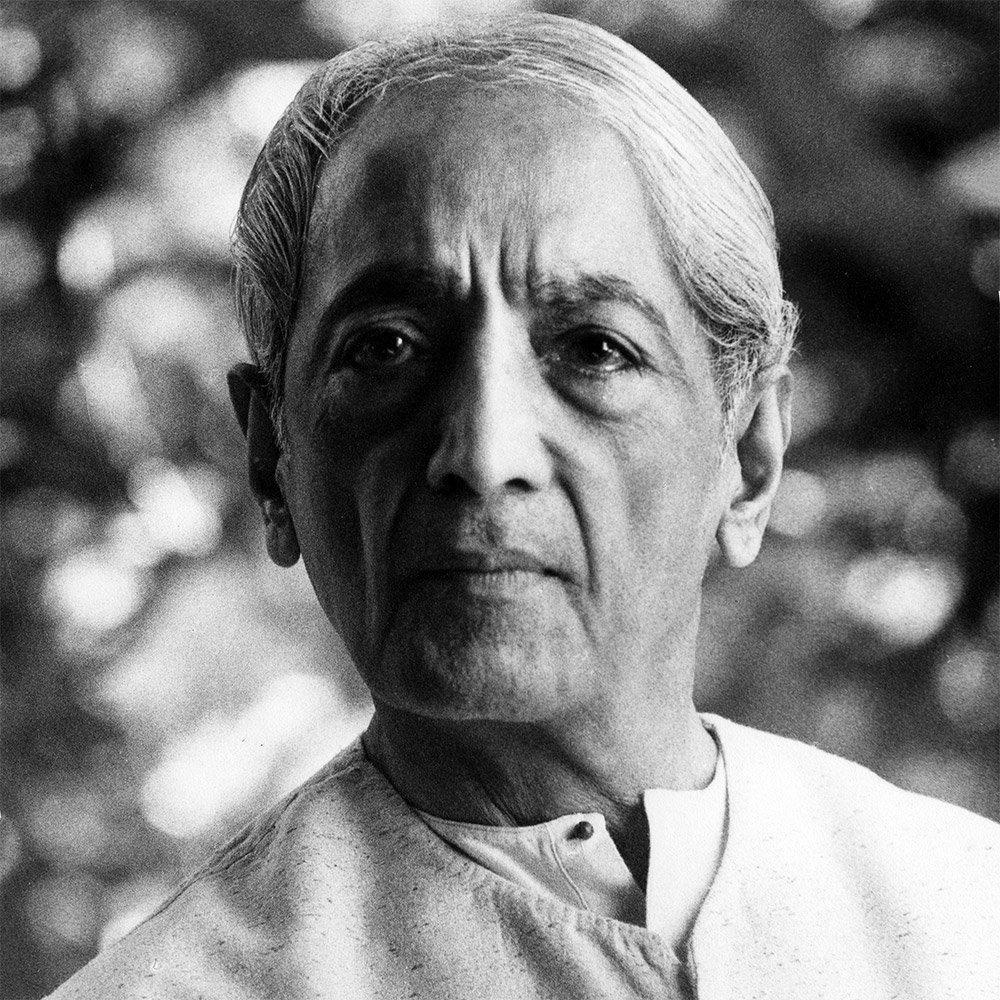
Krishnamurti questions observation shaped by the observer’s accumulated images. His inquiry asks whether looking can occur without the habitual division between a judging self and what it sees. This is a philosophical invitation to examine experience. Its vocabulary should not be treated as a scientific explanation of perception.
A shared question can hold more than one reading. Follow a meeting point, a difference, or the Studio’s interpretation.
Where they meet
Both works interrupt the confidence that seeing is straightforward. Woolf makes the activity of interpretation visible; Krishnamurti asks us to examine the observer who interprets. The meeting point is a question about what our habits bring to an encounter.
How can imagination remain alive without making every encounter a reflection of ourselves?
Where they differ
Woolf’s fiction makes room for digression, invention and the pleasures of a moving mind. Krishnamurti questions the interference of accumulated images. A story that enriches perception through language is not performing the same task as an inquiry that asks whether thought can fall quiet.
Another way to see this
Krishnamurti himself distinguishes practical knowledge from images accumulated in relationships. The comparison should therefore question habitual interpretation without presenting all memory as an obstacle. Language and learned knowledge also help us recognise danger, understand another person and read a story. A wish to see without assumptions can itself become an assumption about what pure seeing ought to be.
Flute & Forge’s perspective
Looking again can expose the stories already in our looking.
The mark on Woolf’s wall becomes a small occasion for noticing how much a mind supplies. Krishnamurti makes that supplying itself a problem to investigate. Read together, they suggest a useful pause between encountering something and claiming to know it. That pause need not make imagination an enemy. It may help us distinguish a detail we have noticed from a story we have made around it. Literature can cultivate this distinction precisely because it lets us experience invention from inside. Yet this remains an editorial bridge: a fictional movement of consciousness does not establish the truth of a philosophical account of attention.
Another way to see this
Krishnamurti himself distinguishes practical knowledge from images accumulated in relationships. The comparison should therefore question habitual interpretation without presenting all memory as an obstacle. Language and learned knowledge also help us recognise danger, understand another person and read a story. A wish to see without assumptions can itself become an assumption about what pure seeing ought to be.
The question that remains
How can imagination remain alive without making every encounter a reflection of ourselves?
A thematic comparison, not a claim of historical influence or a psychological finding.
What do you notice?
Your reading can remain a question. Choose a possibility, write a thought, or continue directly to the Studio’s perspective.
Your words stay in this tab for this visit. They are not submitted or included in a shared link.
A new voice at the table
What if attention also offered belonging?
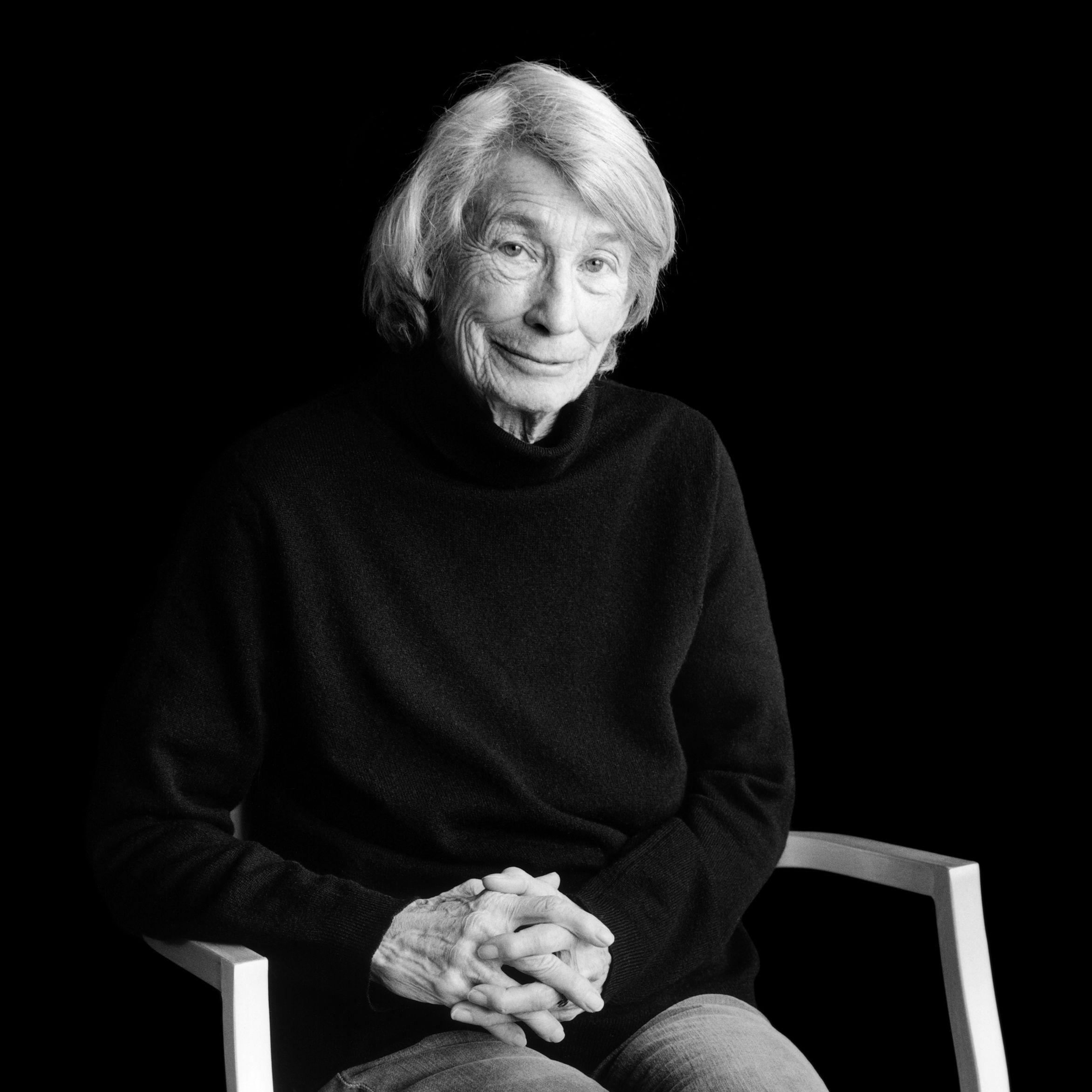
Mary Oliver shifts the question from how we observe to how we stand within the world we observe.
Mary Oliver
Wild Geese
On Being · Mary Oliver reading in English; poem text withheld for rights reasons
Oliver’s poem addresses a listener and opens toward weather, animals and a larger world. Its invitation to belong changes the emotional setting of attention: the person looking need not first earn a place by becoming faultless. This is a poetic address, not evidence that the natural world answers every human need.
Oliver complicates a purely corrective idea of attention. Looking outward may do more than expose a mistaken interpretation; it can change the felt scale of private distress. But an invitation to belong is not a guarantee of safety or a solution to suffering. The revised question holds both possibilities: attention can question our habits and place our lives beside something larger, without asking the world to become an answer written for us.
Can we attend to the world without asking it to confirm our story?
Keep the question open
Follow these voices into their profiles and selected readings. A different work may complicate the connection again.