Two voices. One question. Read them together, then follow the thread between them.
Choose a voice, or read both perspectives together.
The voices
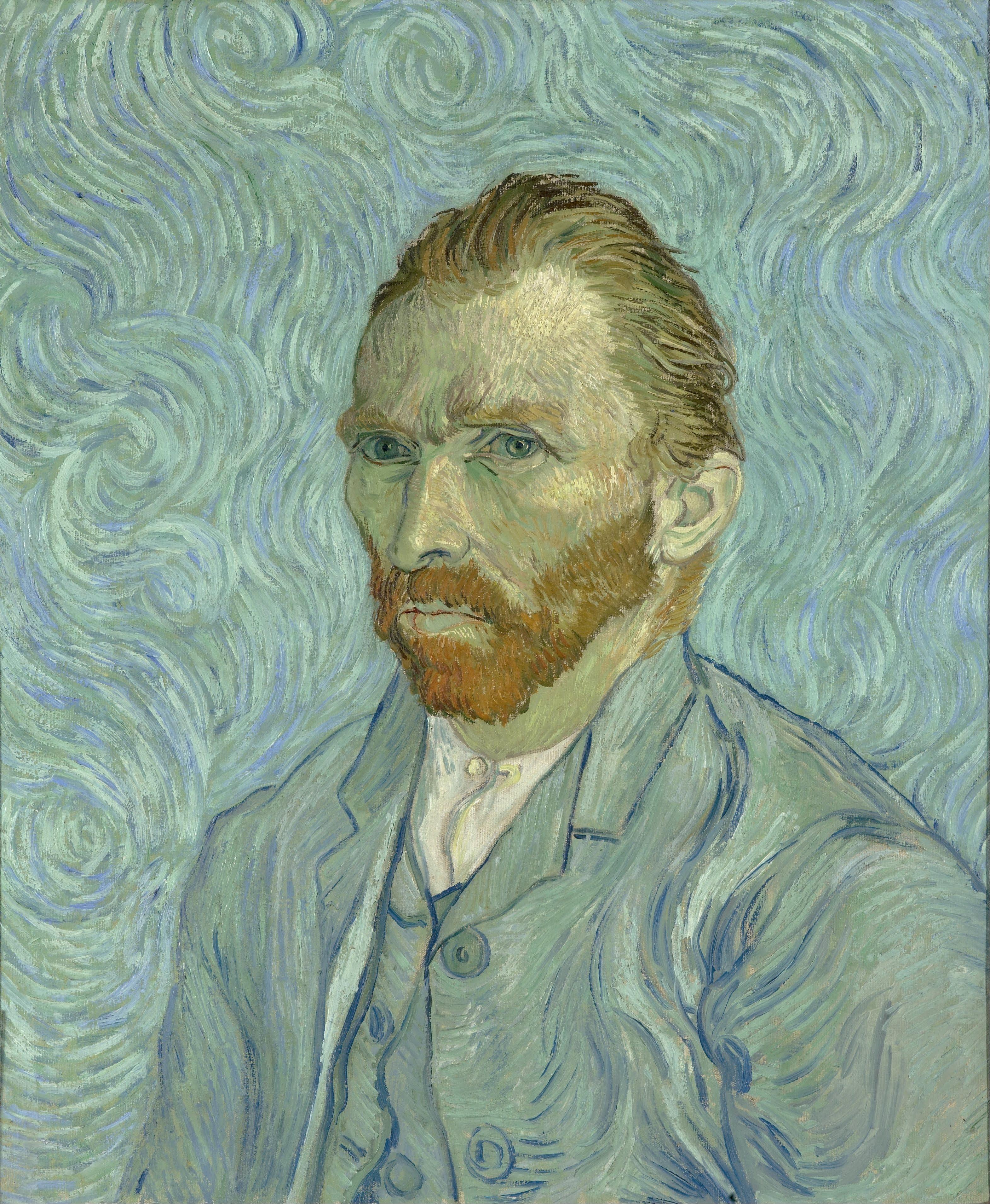
Vincent van Gogh
Almond Blossom
Colour as an encounter
Van Gogh brings flowering branches close against a blue ground. The picture offers no distant horizon to organise our looking; branching forms and pale blossoms hold attention. A living subject becomes a deliberate arrangement of colour and space. Calling it beautiful is already an interpretation, rather than an inventory of what the canvas contains.
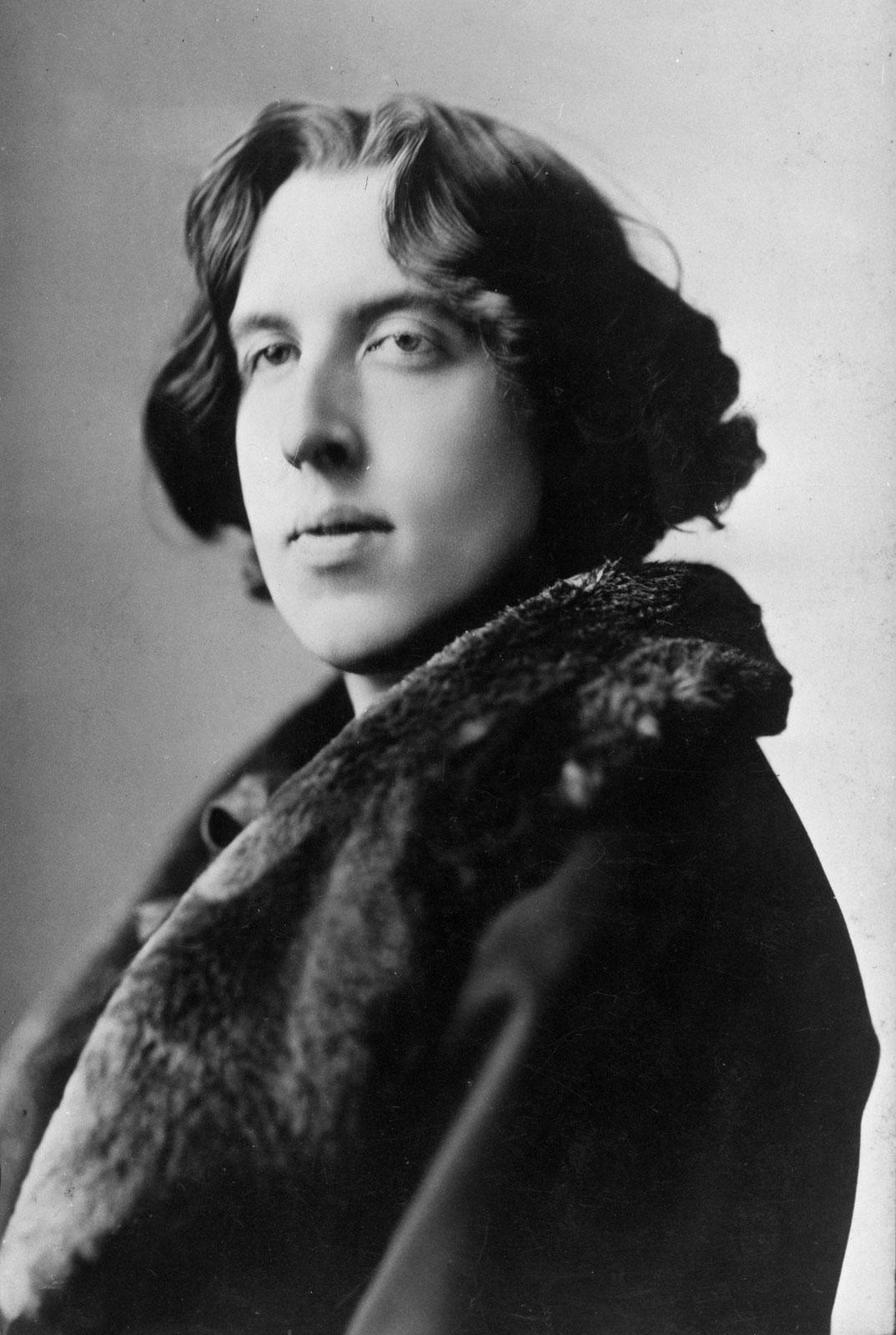
Wilde’s poem finds a colour pattern in a city: traffic, people, fog and the river enter a sequence of comparisons. The title suggests music, while the poem works with words and images. Its city is recognisable, but the recurring colour also makes a composition out of everyday movement.
A shared question can hold more than one reading. Follow a meeting point, a difference, or the Studio’s interpretation.
Where they meet
Both works make colour organise an encounter. Branches and city traffic become more than recognisable subjects because their presentation directs the movement of attention. Their resonance concerns artistic selection, not an identical theory of beauty.
What becomes visible when we stop at beauty—and what might disappear?
Where they differ
The painting presents its forms together on a surface, although our eyes still travel through it. The poem unfolds through successive verbal images, and its final green river alters the recurring yellow. A reader imagines colour through language; a viewer encounters painted colour. Neither medium simply records a scene without shaping how it becomes available.
Another way to see this
A pleasing composition can also make us overlook labour, discomfort or the living conditions behind a scene. Formal beauty should not become permission to stop asking what a representation leaves outside its frame. This is a question we bring to the works, rather than evidence that their artists intended to conceal something. Close attention to form and attention to a subject's circumstances can challenge and enrich one another.
Flute & Forge’s perspective
Beauty may begin when familiarity stops being the end of our looking.
We can recognise a branch or a passing vehicle and move on. These works ask us to stay with arrangement: the relation of one colour to another, the space around a form, the pace of a comparison. Beauty becomes an encounter with choices, not merely a compliment paid to a subject. This does not mean everything becomes beautiful if we look correctly. Nor does it make the artist a decorator of an otherwise insufficient world. Art can change what becomes noticeable, while leaving us free to find a composition awkward, troubling or unpersuasive. The useful connection is an invitation to examine how an ordinary thing has been presented.
Another way to see this
A pleasing composition can also make us overlook labour, discomfort or the living conditions behind a scene. Formal beauty should not become permission to stop asking what a representation leaves outside its frame. This is a question we bring to the works, rather than evidence that their artists intended to conceal something. Close attention to form and attention to a subject's circumstances can challenge and enrich one another.
The question that remains
What becomes visible when we stop at beauty—and what might disappear?
A thematic comparison, not a claim of historical influence or a psychological finding.
What do you notice?
Your reading can remain a question. Choose a possibility, write a thought, or continue directly to the Studio’s perspective.
Your words stay in this tab for this visit. They are not submitted or included in a shared link.
A new voice at the table
What else can an image carry?
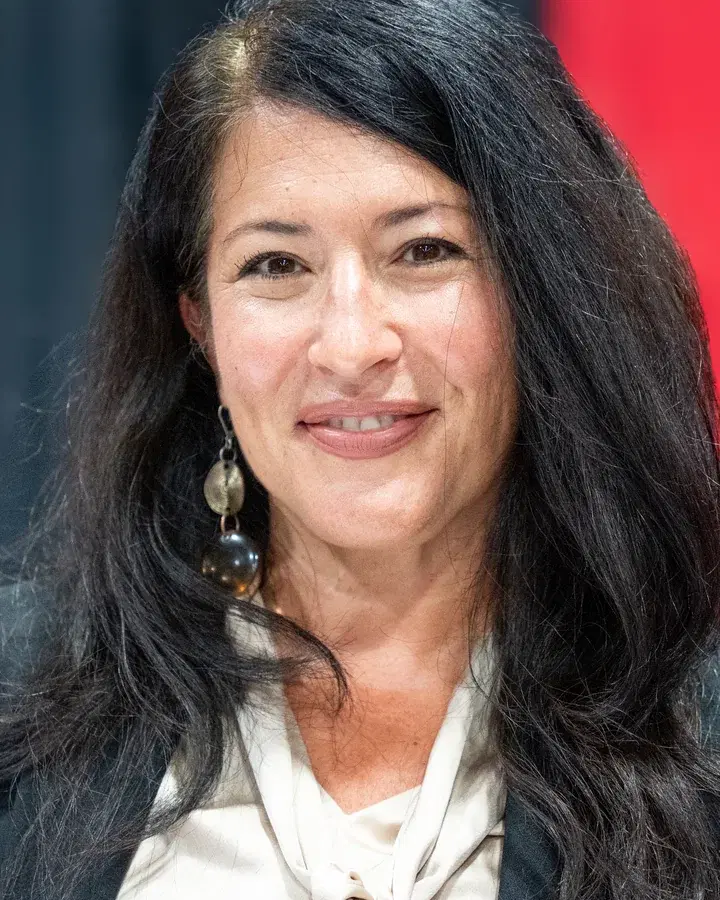
Ada Limón introduces bodily uncertainty into the act of looking.
Ada Limón
The Carrying
Complete English poem · Academy of American Poets, reproduced with author permission; first appeared in Tin House, Winter 2017
Limón places a speaking body within a late-season landscape and considers a mare carrying a foal, or the idea of one. The encounter becomes entangled with the speaker’s sense of what her own body can carry. Looking is not detached appreciation here. An image acquires weight through an unsettled relation between the observer and another living creature.
Limón’s encounter makes beauty answerable to a particular life without reducing the landscape to a symbol with one meaning. The image is felt through bodily uncertainty, yet the mare remains another creature. We can now ask not only how an artist arranges what is seen, but what the encounter asks the observer to carry. This expansion does not explain Van Gogh’s painting or Wilde’s poem on their behalf. It tests the limits of a reading concerned only with harmonious form.
Can we admire a scene while remaining answerable to what it contains?
Keep the question open
Follow these voices into their profiles and selected readings. A different work may complicate the connection again.