Two voices. One question. Read them together, then follow the thread between them.
Choose a voice, or read both perspectives together.
The voices
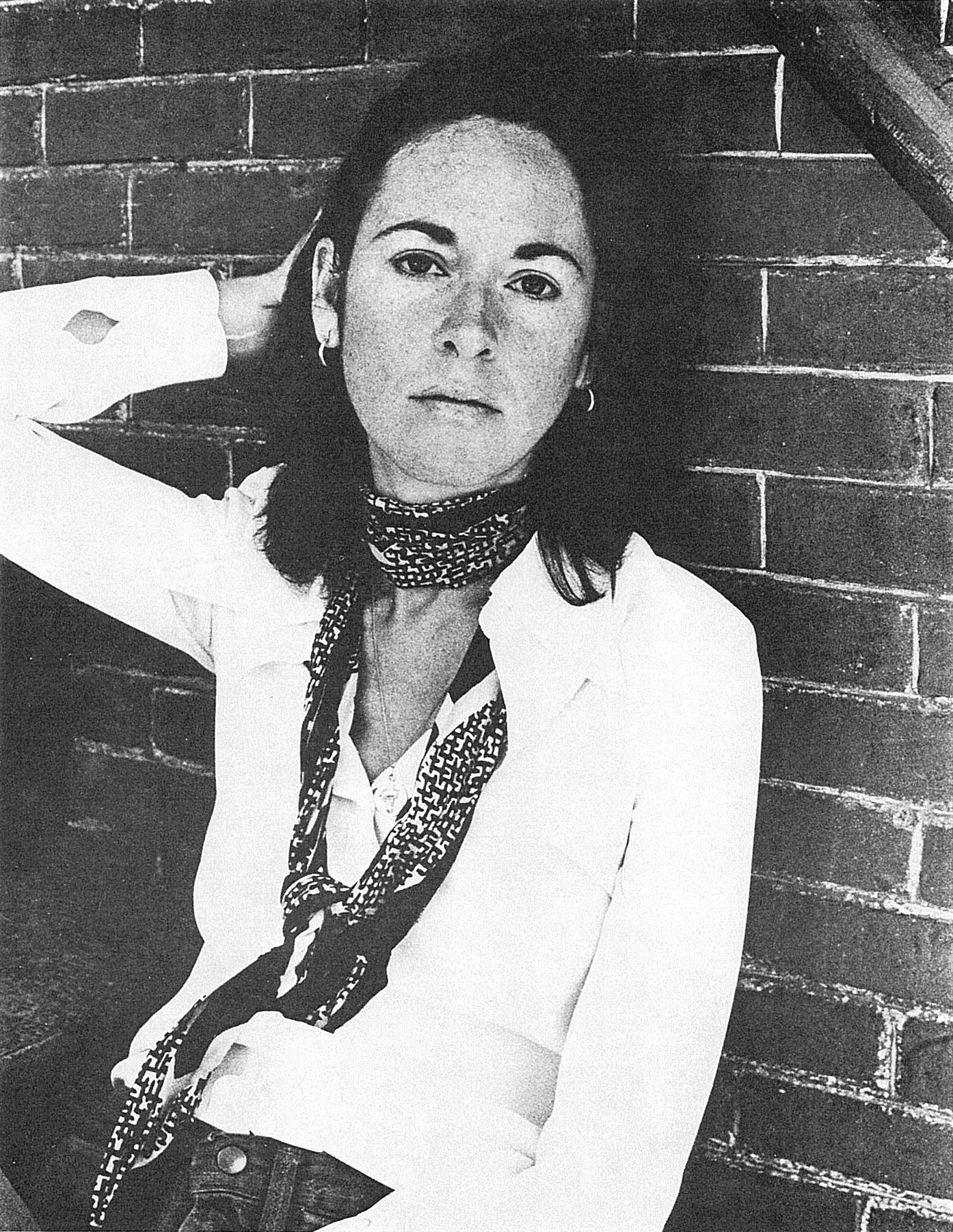
Louise Glück
The Silver Lily · from The Wild Iris
A voice beside an approaching end
Glück’s speaker places an approaching end beside the returning moon and remembered spring. The ending remains a question within an intimate address. This is a poetic voice, not an assertion that the poet’s own life can be read directly from the scene.
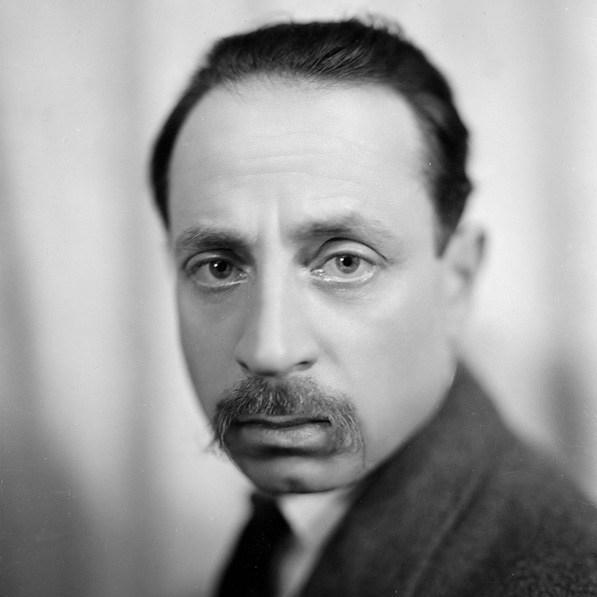
Rilke’s German poem moves from falling leaves toward a more encompassing falling. Its final image introduces gentle holding without cancelling that movement. A reader may encounter consolation there, yet an image that sustains a poem is not evidence about what follows death.
1992 · Academy of American Poets author recording (audio only); textual reference: Poetry Foundation’s authorized edition
A thread to follow
The Academy page offers author audio, not a printed poem. Listen to the address if available; consult The Wild Iris for the text. Notice how a poetic speaker differs from a direct autobiographical claim.
Das Buch der Bilder, expanded second edition, 1906, p. 51 · German text at Wikisource; edition date, not a claim about composition date
A thread to follow
Read the German text, including its final turn. What changes between falling leaves, the shared falling and the image of holding? The linked 1906 date identifies an edition, not the poem’s composition.
A shared question can hold more than one reading. Follow a meeting point, a difference, or the Studio’s interpretation.
Where they meet
The first two poems allow an ending to enter the field of attention without simply ending the act of speaking. A voice can address someone; an image can be held in language. Our comparison concerns what that artistic form makes available to a reader. It does not make the natural processes in the poems equivalent to every human loss, or establish a common religious belief behind the works.
What could make room for a changed life without asking it to replace the one we knew?
Where they differ
Glück’s address is intimate and uncertain about what an ending means. Rilke’s movement opens outward from leaves toward a shared condition and a final holding image. One poem draws us close to a speaking presence; the other changes the scale of what we are asked to imagine. Their consolations, if a reader finds consolation, consequently need not be identical. Neither has to resolve the other’s uncertainty.
Another way to see this
Seasonal language can become a cruel simplification if it makes an individual loss seem easily reversible. A garden’s return does not give a person back what has gone. Nor should a poem’s composure be turned into a standard of emotional maturity for its reader. People may need anger, silence, companionship or practical support that a literary image cannot supply. Attending to the poem should leave those needs visible, rather than asking them to become as orderly as a verse.
Flute & Forge’s perspective
Perhaps continuation can matter without undoing a loss.
Our proposed reading leaves two experiences beside each other: something may continue, while something particular cannot return in the same way. A season, a conversation or a new possibility does not have to replace what is missing in order to be real. This is not a demand to find a positive meaning in every ending. It is a question about whether attention can make room for a changed life without declaring the earlier life disposable. The poems lend different forms to that question; a reader is free to find their images consoling, troubling or insufficient.
Another way to see this
Seasonal language can become a cruel simplification if it makes an individual loss seem easily reversible. A garden’s return does not give a person back what has gone. Nor should a poem’s composure be turned into a standard of emotional maturity for its reader. People may need anger, silence, companionship or practical support that a literary image cannot supply. Attending to the poem should leave those needs visible, rather than asking them to become as orderly as a verse.
The question that remains
What could make room for a changed life without asking it to replace the one we knew?
A thematic comparison, not a claim of historical influence or a psychological finding.
What do you notice?
Your reading can remain a question. Choose a possibility, write a thought, or continue directly to the Studio’s perspective.
Your words stay in this tab for this visit. They are not submitted or included in a shared link.
A new voice at the table
What if loving and releasing remained difficult together?
Oliver changes the question from finding a sustaining image to considering how we remain attached to a world that changes.
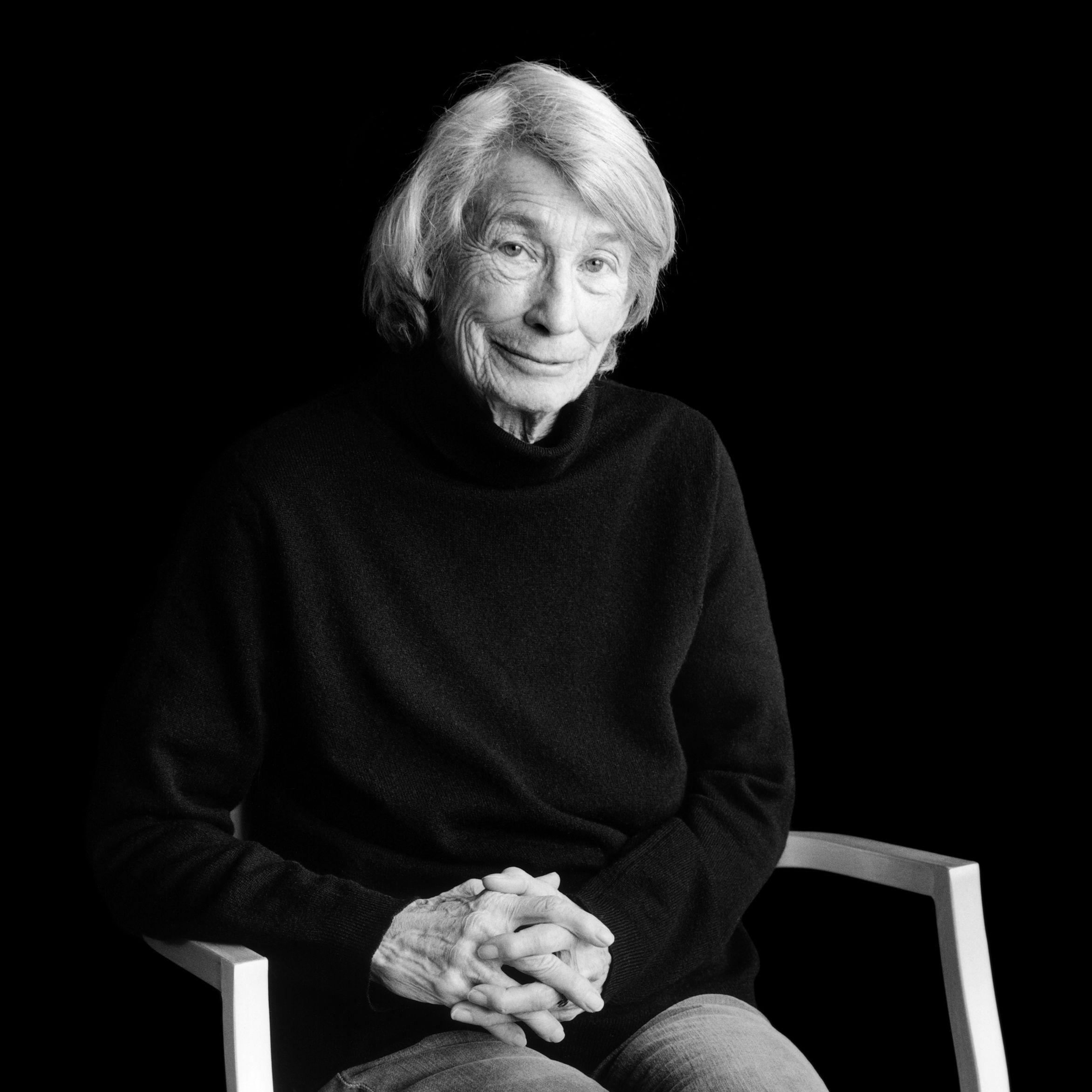
Mary Oliver
In Blackwater Woods
Mary Oliver poem · Ohio State University Wexner Medical Center’s educational PDF; no critical edition specified; commentary is literary, not clinical guidance
Oliver moves from a changing woodland toward the relation between loving mortal things and releasing them. The poem’s force includes the difficulty of holding those acts together. We read it as a literary address, not a timetable by which someone must have finished grieving.
With Oliver beside the other poems, our proposed continuation does not require indifference. Something can matter precisely because we cannot keep it unchanged. The revised reading asks how care might remain possible without becoming a claim to control what we love. That is our editorial question, not a test the poem sets for anyone experiencing loss. There may be no tidy point at which holding ends and releasing begins. A conversation between these works can leave that overlap open rather than convert it into advice.
Can we care for what changes without deciding when someone else must let go?
Keep the question open
Follow these voices into their profiles and selected readings. A different work may complicate the connection again.