
Louise Glück
Longing · Consciousness
Louise Glück
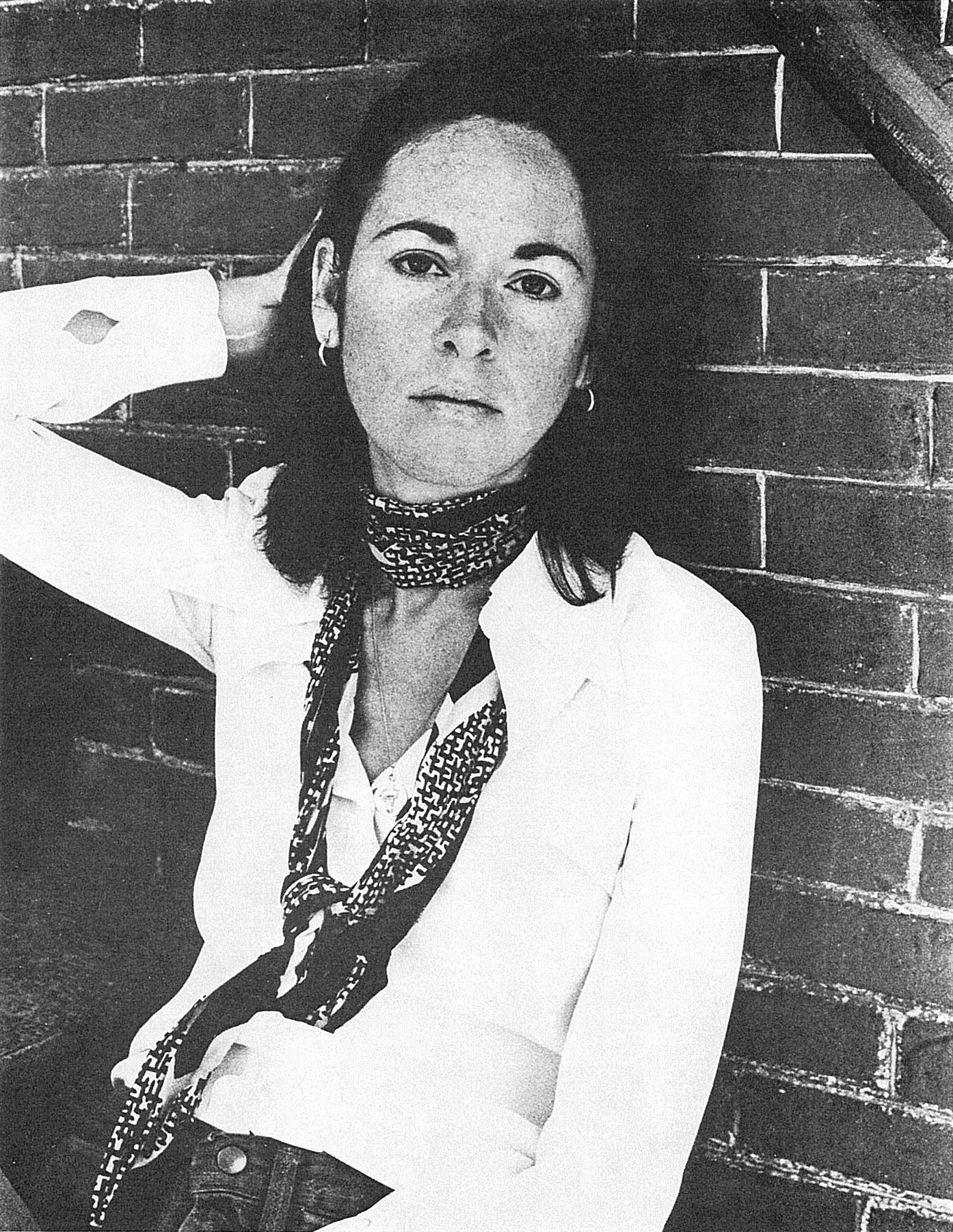
A lyric poet whose spare language gives grief, family and the natural world a demanding clarity.
1943–2023 · American poet and essayist · Nobel Prize in Literature, 2020
Their literary world
Louise Glück wrote with restraint, precision, and an emotional intensity that often gathers in silence, repetition, and carefully chosen images. Her poetry examines love, loss, family, mortality, and the difficult experiences through which people form an identity.
Myth and the natural world recur in her work. Flowers, gardens, seasons, and classical figures let personal experience open onto shared questions. Renewal is rarely simple: it may emerge after loss and change without making suffering inherently valuable. Glück’s poems leave transformation complicated and unfinished.
Featured reading · Read the published work
The Silver Lily
Read Glück’s complete poem at Poetry Foundation, then notice how its precise images hold beauty and unease in the same frame.
Glück’s precise, spare images leave room for uncertainty rather than explaining it away. Read the poem once for its surface scene, then again for what its title makes you expect and what the images quietly refuse to confirm. The complete authorized poem is hosted by Poetry Foundation.
The rights-holder-authorized poem is hosted by Poetry Foundation; read it there rather than reproducing it here.
Read The Silver Lily at Poetry FoundationA passage
“At the end of my suffering / there was a door.”The Wild Iris · “The Wild Iris” (1992)
A way into the passage
The poem speaks through a flowering iris and begins with a movement from darkness towards renewed expression. The door suggests transition, but not a simple cure: the poem’s full context keeps loss and return in view together.
Essential works
Poetry collection · 1992
The Wild Iris
A Pulitzer Prize-winning collection in which flowers, a gardener, and a divine voice speak across suffering and renewal.
Poetry collection · 2006
Averno
A collection drawing on Persephone’s myth to consider death, separation, identity, and relations between human and divine.
Poetry collection · 2014
Faithful and Virtuous Night
Poems on memory, ageing, creativity, and the uncertainty of personal history.
A question worth exploring
Does transformation require abandoning who we were, or can something new emerge from what remains?
A question to carry with you
Can a quiet sentence hold an unruly feeling?
An editorial introduction by Flute & Forge Studio.