Two voices. One question. Read them together, then follow the thread between them.
Choose a voice, or read both perspectives together.
The voices
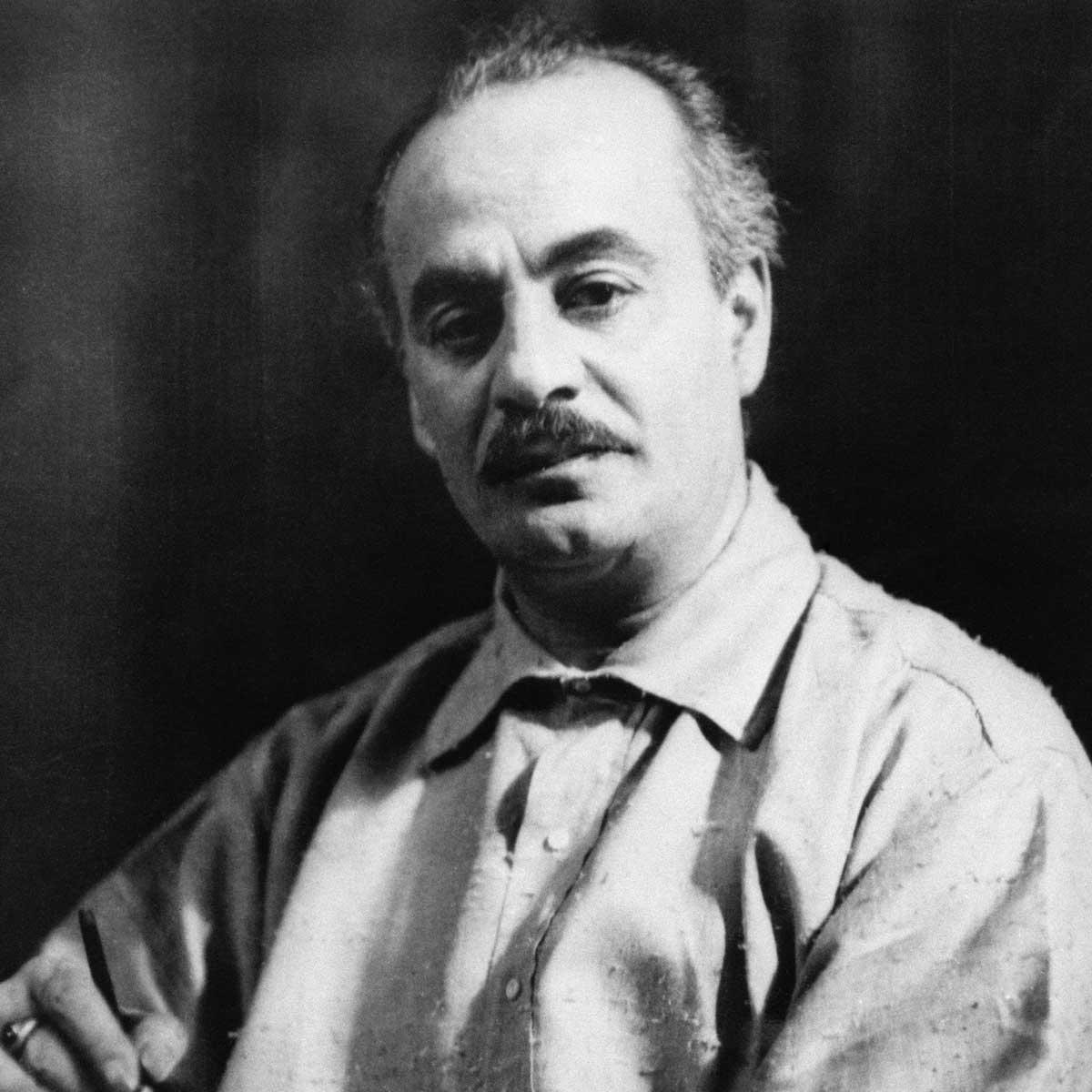
Kahlil Gibran
The Prophet · On Marriage
Togetherness shaped by space
In On Marriage, Gibran’s speaker places companionship beside images of separate shores, musical strings and standing pillars. Togetherness acquires a form that does not require merging. These are images inside a literary and spiritual address, not a set of instructions that settles how every partnership should work.
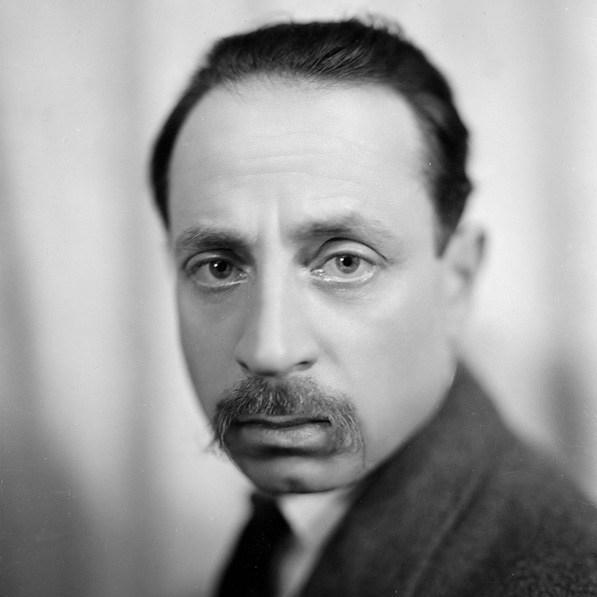
In the seventh letter, Rilke presents love as difficult learning that includes the growth of an individual life. Another person is not simply an escape from that task. His advice addresses a particular young correspondent; its historical assumptions should not become a universal test of who is mature enough to love.
1923 · On Marriage · original English prose poem; Project Gutenberg text
A thread to follow
Read On Marriage inside The Prophet. Follow the images of music, shores and pillars. How do they hold separate lives inside a shared relation? Distinguish the speaker’s images from a universal instruction.
14 May 1904 · letter to Franz Xaver Kappus · English translation by A. S. Kline (2021)
A thread to follow
Read Letter VII with its date and recipient in mind. What does the advice ask the individual to learn? Where might the historical assumptions need questioning?
A shared question can hold more than one reading. Follow a meeting point, a difference, or the Studio’s interpretation.
Where they meet
The first two readings resist treating a loved person as someone whose difference must disappear. A relation can matter without absorbing the lives inside it. Our meeting point is consequently a question about the kind of closeness that leaves another person recognisable as other. This is an editorial connection between the works, not a claim that Gibran and Rilke offer the same account of love or the same path toward it.
How could we stay deeply connected while leaving each other free to change?
Where they differ
Gibran’s address composes an image of companionship. Rilke’s letter gives difficult personal counsel about development. An image can let us imagine a relation, while advice asks a recipient to do something over time. Keeping those functions distinct matters: a graceful picture of two lives does not tell us how those lives negotiate a disagreement. The letter’s account of growth does not guarantee a balanced partnership either.
Another way to see this
Space can protect individuality, but it can also be used to excuse absence. A person asking for reassurance or shared responsibility is not necessarily trying to possess anyone. The language of independence can conceal a partnership in which one person enjoys freedom because another carries the work. These readings do not settle the terms of commitment for us. A useful comparison should leave emotional safety, consent and unequal responsibilities open to discussion, rather than letting an elegant image decide them.
Flute & Forge’s perspective
Perhaps closeness can leave another person free to keep becoming.
Our proposal is that a person might remain deeply significant without becoming ours to define. In an ordinary relationship, this could mean meeting a change of mind with curiosity before treating it as disloyalty. It could also mean admitting that we do not yet understand a need, rather than deciding what a loved person must want. This is a possible practice of attention, not a demand for limitless tolerance or a promise that every difference can be reconciled. Freedom has to become something people can actually live together, through conversation and boundaries as well as affection.
Another way to see this
Space can protect individuality, but it can also be used to excuse absence. A person asking for reassurance or shared responsibility is not necessarily trying to possess anyone. The language of independence can conceal a partnership in which one person enjoys freedom because another carries the work. These readings do not settle the terms of commitment for us. A useful comparison should leave emotional safety, consent and unequal responsibilities open to discussion, rather than letting an elegant image decide them.
The question that remains
How could we stay deeply connected while leaving each other free to change?
A thematic comparison, not a claim of historical influence or a psychological finding.
What do you notice?
Your reading can remain a question. Choose a possibility, write a thought, or continue directly to the Studio’s perspective.
Your words stay in this tab for this visit. They are not submitted or included in a shared link.
A new voice at the table
What does freedom ask us to do for one another?
Fromm changes the emphasis from preserving separate lives to how one person responds to another in practice.
Erich Fromm
Love in America · section IV
1959 · Literary Estate of Erich Fromm · original essay; care, responsibility, respect and knowledge discussed in section IV
Fromm’s essay brings care, responsibility, respect and knowledge together. Concern for someone needs an active response while preserving their individuality. We are reading a philosophical and social argument, not a clinical finding about every relationship.
With the third voice, leaving someone free is no longer only a matter of stepping back. Our revised proposal asks whether attention and response can support a person’s difference. It also asks who gets to decide what counts as care. An action that looks generous may still make the other person’s choices harder to hear. Perhaps respectful closeness requires both a willingness to act and a willingness to be corrected about what is needed. Neither freedom nor care should become a word that ends the conversation before the other person can answer.
When does caring for someone become deciding for them?
Keep the question open
Follow these voices into their profiles and selected readings. A different work may complicate the connection again.