

Erich Fromm
Love · Consciousness
Erich Fromm
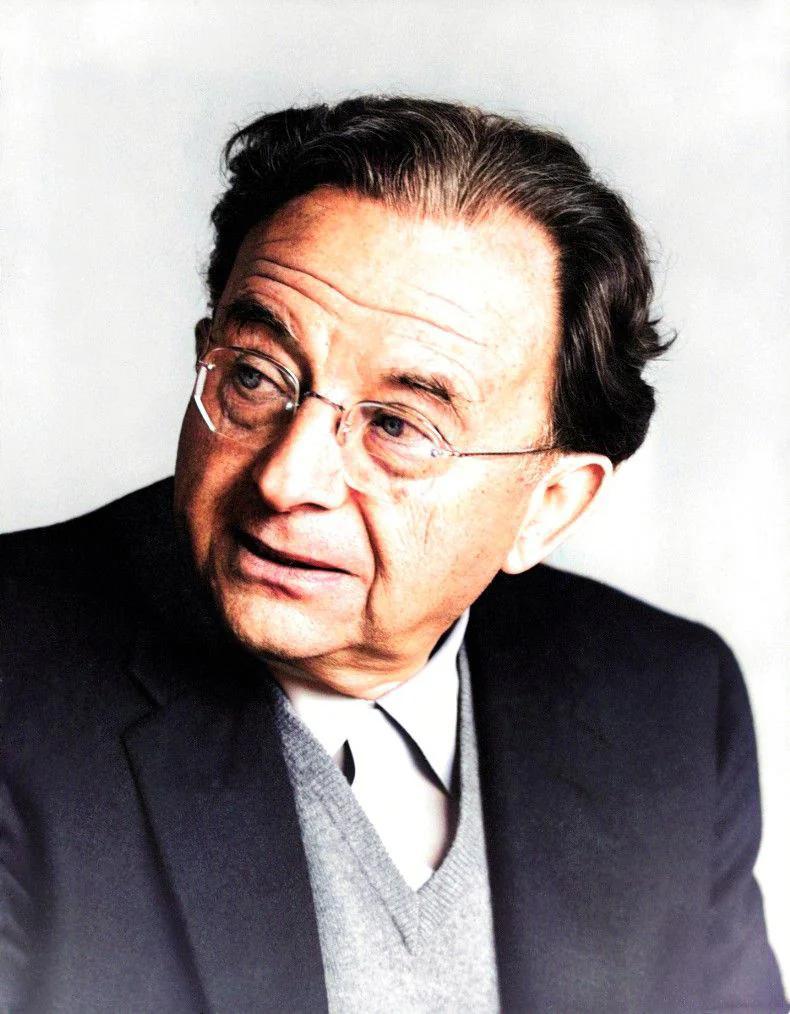
A psychoanalyst and social thinker who approaches loving as a capacity to cultivate.
1900–1980 · German American social psychologist, psychoanalyst, and philosopher
Their literary world
Erich Fromm treated love not merely as a feeling, but as a human capacity that calls for knowledge, practice, and care. In The Art of Loving, he questions the idea that love is mainly about finding the right person; he turns attention instead to the ability to love.
He connects love with care, responsibility, respect, and knowledge, and considers how alienation and conformity shape relationships. For Fromm, love is an active orientation towards life, not simply an emotional event that happens to us. His writing links intimate relationships with the wider conditions of society.
Featured reading · Flute & Forge reading companion
The Art of Loving: The Theory of Love
A companion to Fromm’s argument that love is an active practice requiring attention, knowledge and care—not simply a feeling that happens to us.
Fromm asks readers to treat love as a capacity developed through practice. Attention, patience, responsibility and knowledge matter because another person is not an answer to our loneliness but a life to meet. The idea shifts the question from ‘Who will love me?’ to ‘How do I learn to love?’
This is a Flute & Forge companion, not Fromm’s prose. The source links to the published book.
Explore The Art of LovingA passage
“Love is an activity, not a passive affect.”The Art of Loving · 1956
A way into the passage
Fromm distinguishes the capacity to love from passively waiting to fall in love. His emphasis is on participation: attention, responsibility, and care are ways love is practised, not guarantees that a relationship will be easy.
Essential works
Book · 1956
The Art of Loving
An account of love as a capacity involving knowledge, discipline, and practice.
Book · 1941
Escape from Freedom
An inquiry into why people may retreat from freedom into conformity and authoritarian structures.
Book · 1976
To Have or to Be?
A critique of possession-centred identity and consumer culture, with an alternative orientation towards being.
A question worth exploring
Is love something that happens to us, or a capacity shaped by how we live?
A question to carry with you
What would love look like as a daily practice?
An editorial introduction by Flute & Forge Studio.