Two voices. One question. Read them together, then follow the thread between them.
Choose a voice, or read both perspectives together.
The voices
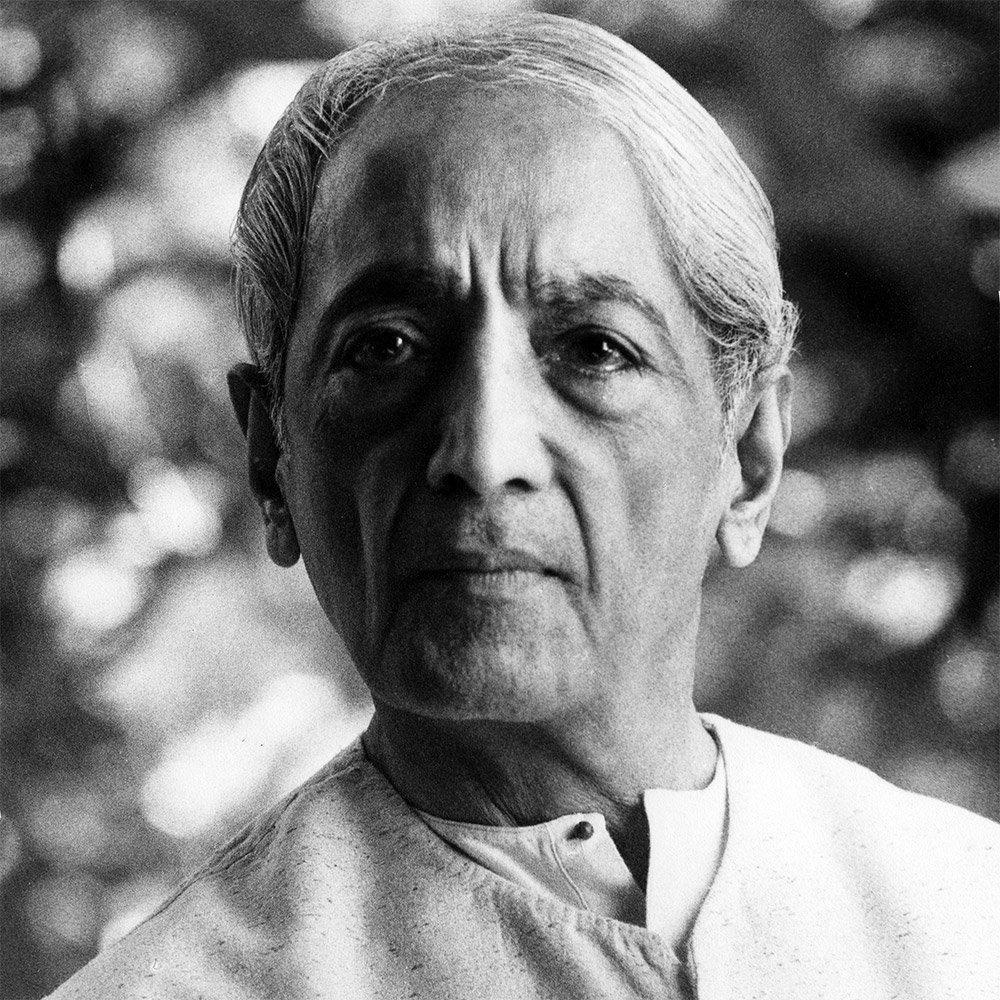
Jiddu Krishnamurti
Public Talk 4, Brockwood Park, 2 September 1979
The person and the image
Krishnamurti examines relationships shaped by mental images and division. His inquiry invites us to notice what comes between meeting a person and meeting our idea of them.
Fromm shifts attention from securing love toward the activity of loving, including care and respect. This is a historically situated argument, open to examination.
A shared question can hold more than one reading. Follow a meeting point, a difference, or the Studio’s interpretation.
Where they meet
Imagine making tea for someone who has had a difficult day. They drink it quietly and forget to say thank you. Does the kindness become a loss? Our question begins in the small distance between giving something and silently recording what should come back. Gratitude can be lovely without being the price of the cup. What changes when affection no longer needs a receipt?
Can we ask for care without turning affection into debt—and offer care without disappearing from our own lives?
Where they differ
These works leave different questions on the table: the images through which we meet, the care we practise, and the freedom of the person before us. They do not establish a common doctrine of selfless love. Our comparison asks how each question unsettles the wish to make another person responsible for completing our private account.
Another way to see this
Nothing is owed can sound tender when both people are free to speak. It can sound very different when one person does all the caring and the other refuses responsibility. An apology, a promise or an agreed share of work cannot simply disappear beneath a beautiful phrase. Consider a second encounter: someone asks for more than you can give tonight. Can you say no and remain kind? Can they hear the limit without treating it as betrayal? A relationship without a ledger still needs room for honesty, repair and boundaries.
Flute & Forge’s perspective
Perhaps tenderness can leave no debt, even where needs remain.
A place between two people where kindness keeps no account: could we call it heaven? We offer the word as a poetic possibility. Someone can ask for company, reassurance or help without making every gift a claim on the future. The difficult distinction is between expressing a need and presenting a bill. A freely given evening does not purchase the next one. Yet a shared promise still matters. Perhaps this place is made in ordinary moments, when we can say what we need and hear what the other can give, without making either person earn the right to rest.
Another way to see this
Nothing is owed can sound tender when both people are free to speak. It can sound very different when one person does all the caring and the other refuses responsibility. An apology, a promise or an agreed share of work cannot simply disappear beneath a beautiful phrase. Consider a second encounter: someone asks for more than you can give tonight. Can you say no and remain kind? Can they hear the limit without treating it as betrayal? A relationship without a ledger still needs room for honesty, repair and boundaries.
The question that remains
Can we ask for care without turning affection into debt—and offer care without disappearing from our own lives?
A thematic comparison, not a claim of historical influence or a psychological finding.
What do you notice?
Your reading can remain a question. Choose a possibility, write a thought, or continue directly to the Studio’s perspective.
Your words stay in this tab for this visit. They are not submitted or included in a shared link.
A new voice at the table
What happens when the other person chooses differently?
Invite Beauvoir to place the freedom of both people inside this imagined heaven.
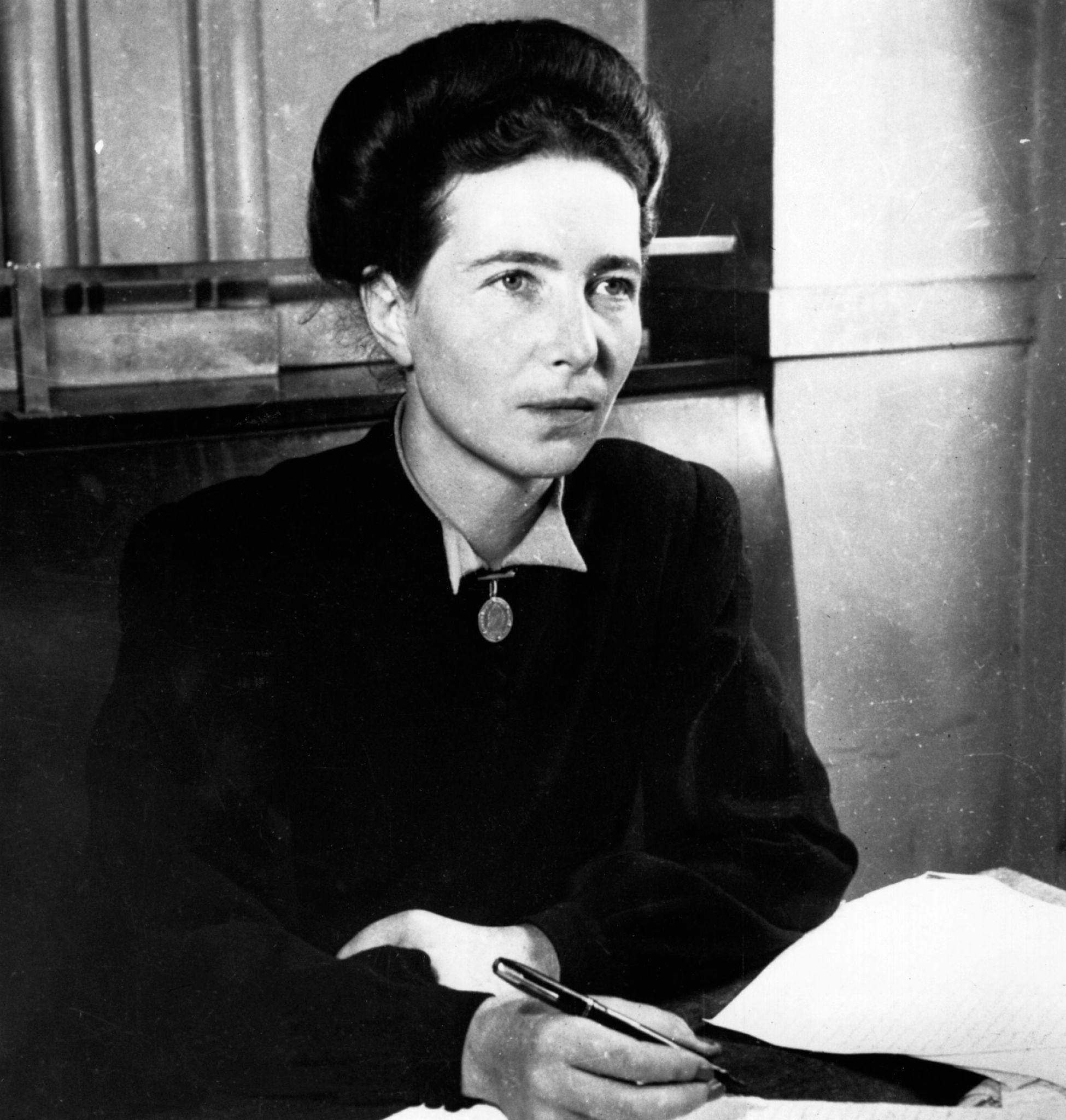
Simone de Beauvoir
The Ethics of Ambiguity · II. Personal Freedom and Others
1947 · English translation by Bernard Frechtman · Marxists Internet Archive; love, otherness and freedom
Beauvoir connects love with recognising another person’s otherness and freedom. Her argument challenges possession without imagining that our lives can be independent of others.
A third encounter: someone you love chooses a path you would not have chosen for them. Your disappointment is real. Must their freedom wait until it no longer hurts you? Bringing this question into the room changes the image of heaven. It cannot mean a place where nobody ever disappoints us. It might mean a space where a difference can be spoken without becoming a punishment. This is the Studio’s tentative reading: tenderness may be free of bargaining while remaining answerable to what people actually do. Whether that deserves the name heaven remains yours to consider.
Could heaven be a moment when neither person has to purchase the right to be themselves?
Keep the question open
Follow these voices into their profiles and selected readings. A different work may complicate the connection again.