Two voices. One question. Read them together, then follow the thread between them.
Choose a voice, or read both perspectives together.
The voices
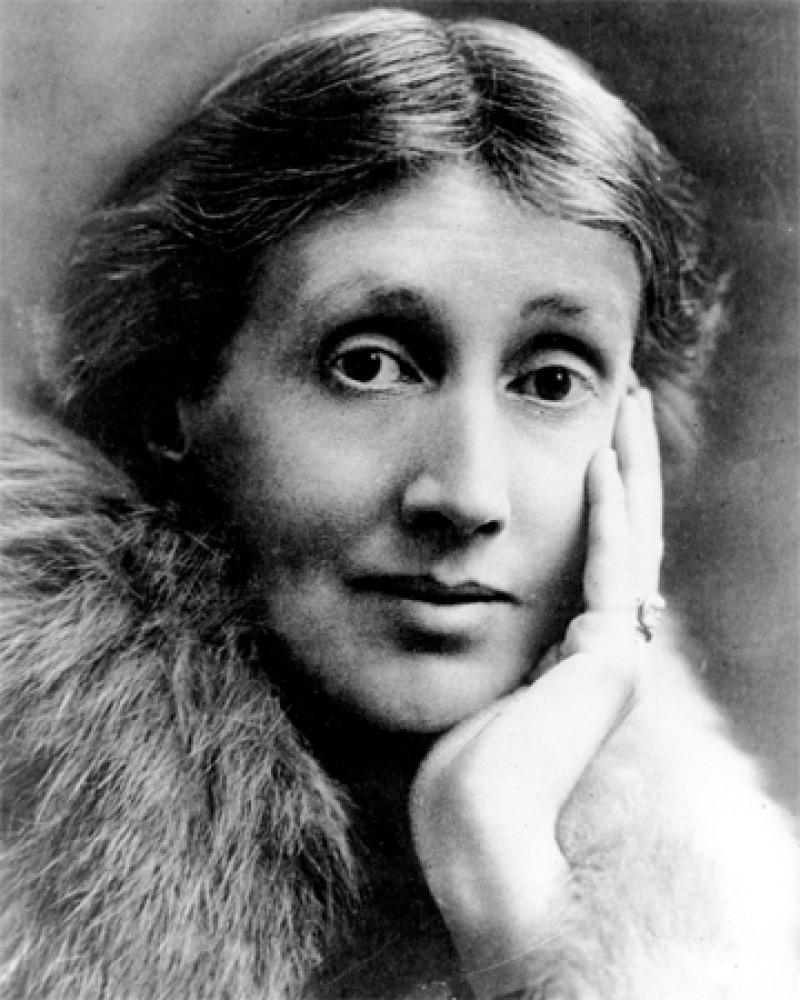
Virginia Woolf
A Room of One’s Own
The conditions of an unwritten life
Woolf connects the possibility of writing with income, education and uninterrupted space. Her imagined sister of Shakespeare has talent without comparable opportunities. This invented life is a way to expose an exclusion, not a recovered biography. The essay makes us consider the work that never reaches a reader because its conditions never existed.
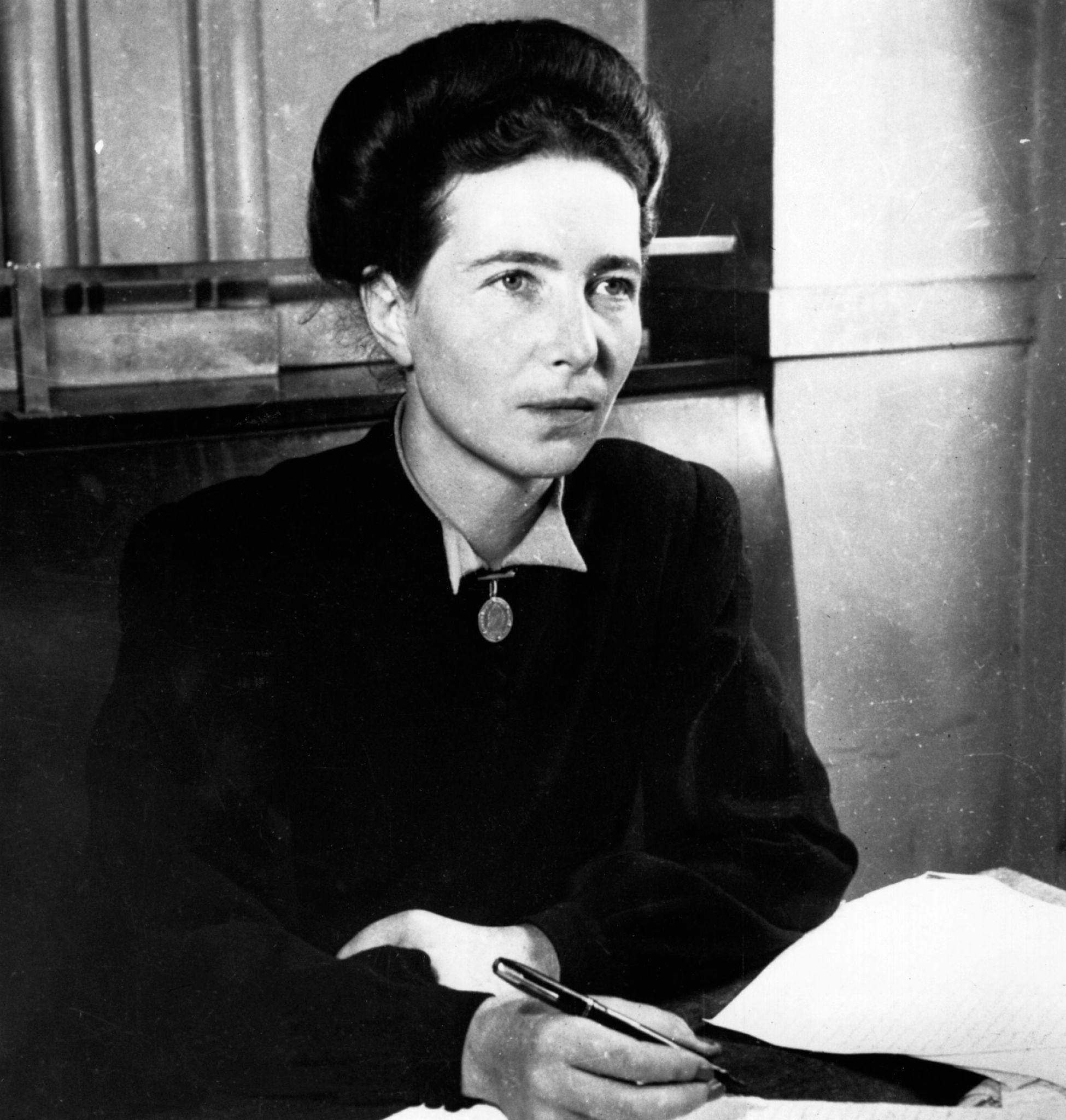
The Second Sex · introduction, collected in The Independent Woman
A person beyond an assigned definition
Beauvoir’s introduction questions definitions that reduce women to a supposed timeless nature. She holds an individual life beside the social situation through which it is understood. Our reading concerns that tension between a person and an assigned category, rather than treating the excerpt as a complete account of her philosophy.
The Second Sex · introduction, collected in The Independent Woman
1949 work · publisher’s excerpt in the 2018 selection · English translation by Constance Borde and Sheila Malovany-Chevallier
A thread to follow
Read the publisher’s introduction excerpt. Notice the movement between an individual, a social situation and an asserted feminine nature. Which definitions does the argument question?
A shared question can hold more than one reading. Follow a meeting point, a difference, or the Studio’s interpretation.
Where they meet
The first two works make it harder to assume that a person’s ability to speak is simply a measure of courage or talent. A story also depends on the terms under which someone is heard, and on whether they have time and means to make it. This is an editorial meeting point between the works, not a claim that the writers share one method. It invites us to notice an apparent silence before deciding what that silence means.
How can we make space for another voice without deciding in advance what it ought to say?
Where they differ
Woolf brings a novelist’s invented scenes into an essay about literary opportunity. Beauvoir interrogates the category through which a woman is asked to understand herself. The first makes absent possibilities imaginable; the second questions the framework that names a life. Their concerns overlap, but neither can serve as a substitute for the other. A room may enable writing while leaving the surrounding judgments intact.
Another way to see this
An invitation to speak can itself become a demand for a revealing personal story. Someone may prefer privacy, fiction, silence or an unfinished account. Nor can a celebrated writer’s opportunity stand for the conditions of every woman, across class, caste, language and place. The comparison becomes less useful if it turns very different exclusions into one universal experience. We need to ask who remains unheard even in the account of liberation we admire.
Flute & Forge’s perspective
A voice needs both room to speak and room to differ.
Perhaps the right to tell a story includes the right to disappoint the story already prepared for us. That would require more than adding another speaker to an unchanged conversation. We would also have to ask how the listener recognises a credible voice, what kind of experience counts as knowledge, and whose time has been made available for telling. These questions are our proposal between the readings. They leave room for a person to speak from a social history without having to represent everyone who shares some part of it.
Another way to see this
An invitation to speak can itself become a demand for a revealing personal story. Someone may prefer privacy, fiction, silence or an unfinished account. Nor can a celebrated writer’s opportunity stand for the conditions of every woman, across class, caste, language and place. The comparison becomes less useful if it turns very different exclusions into one universal experience. We need to ask who remains unheard even in the account of liberation we admire.
The question that remains
How can we make space for another voice without deciding in advance what it ought to say?
A thematic comparison, not a claim of historical influence or a psychological finding.
What do you notice?
Your reading can remain a question. Choose a possibility, write a thought, or continue directly to the Studio’s perspective.
Your words stay in this tab for this visit. They are not submitted or included in a shared link.
A new voice at the table
What if a story must answer history?
Pritam shifts the scale from the conditions of an individual voice to the burden of speaking amid collective loss.
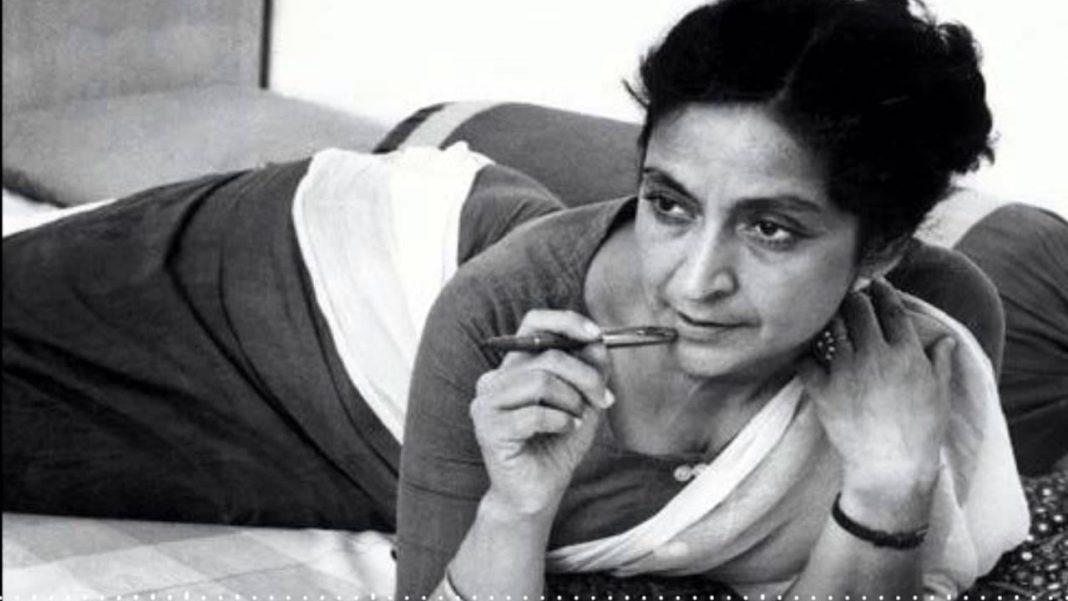
Amrita Pritam
Ajj Aakhaan Waris Shah Nu
Punjabi poem in Roman transliteration · Folk Punjab; archive cites Kaghaz te Canvas, Sanjh, p. 47
Pritam addresses Waris Shah, associated with the love story of Heer, through images of a devastated Punjab. A remembered literary grief is asked to face many grieving lives. The poem’s address does not erase the people it cannot individually name; it makes that failure of scale painfully present.
Pritam’s presence makes the proposed room more demanding. A voice may need privacy, yet also have to address a world that has broken into private life. The revised question is about both possibility and responsibility: what enables someone to speak, and what does speaking for a loss risk leaving outside the frame? A public lament can make listening possible without becoming the final account of every life it mourns. Perhaps a space for stories also needs a place for the stories no single voice can hold.
What would let a voice bear witness without claiming to speak for everyone?
Keep the question open
Follow these voices into their profiles and selected readings. A different work may complicate the connection again.